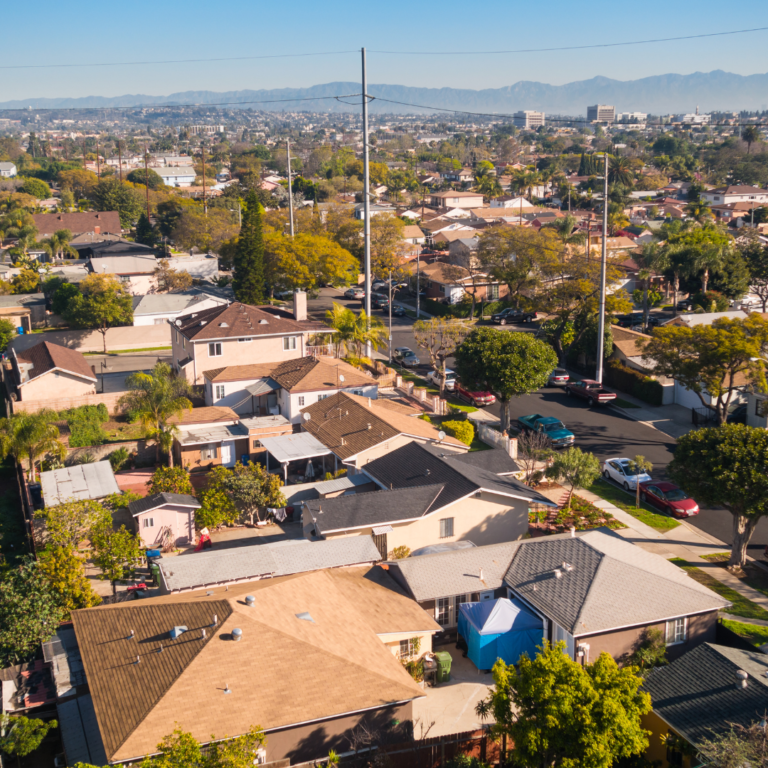

Los Angeles, CA — Across Los Angeles neighborhoods, veterans are experiencing life-changing outcomes thanks to expanded VA housing programs and integrated support services. Stories from neighborhoods such as South Los Angeles, Hollywood, and Van Nuys highlight how access to permanent housing, case management, and medical care improves both quality of life and long-term stability.
Army veteran David Gaytan, previously unhoused in South Los Angeles, was placed into permanent supportive housing in 2025 through the VA. With on-site case management, behavioral health services, and job assistance, he regained employment and secured financial stability. “Having a place I can call home has changed everything,” he said. “It’s not just housing—it’s a new beginning.”
Marine Corps veteran Sandra Lopez, who struggled with PTSD and long-term homelessness, accessed housing through the HUD-VASH program in Hollywood. Nonprofit partners provided life skills training, transportation, and assistance navigating VA benefits. These services allowed her to engage in outpatient therapy, maintain employment, and regain independence. Lopez emphasized that integrated services made it possible for her to break the cycle of homelessness.
In Van Nuys, veterans benefited from the Veteran Housing Navigation Program (VHNP), which quickly placed them into permanent apartments while connecting them to healthcare and social services. Case managers reported that veterans previously on waiting lists for months could secure housing within weeks, demonstrating the program’s efficiency.
Beyond individual success stories, data indicate that veterans in permanent supportive housing experience improved mental health, greater employment opportunities, and higher rates of social engagement. Housing programs not only provide stability but also serve as gateways to healthcare, education, and vocational training, ensuring veterans have the tools to achieve long-term independence.
Officials note that these programs are particularly impactful for vulnerable populations, including female veterans, older veterans, and those with disabilities. By integrating housing, medical care, and social support, Los Angeles is creating a model for urban veteran care that addresses both immediate and long-term needs.
Key Takeaways:
- VA housing programs provide stability and access to supportive services.
- Veterans report improved mental health, employment, and overall well-being.
- HUD-VASH and VHNP facilitate rapid placement into permanent housing.
- Integrated services address healthcare, mental health, and employment needs.
- Programs focus on high-risk populations including female and older veterans.
The combination of permanent housing, wrap-around services, and community-based support demonstrates the effectiveness of Los Angeles’ approach to ending veteran homelessness and helping veterans rebuild their lives.