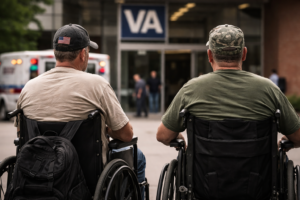



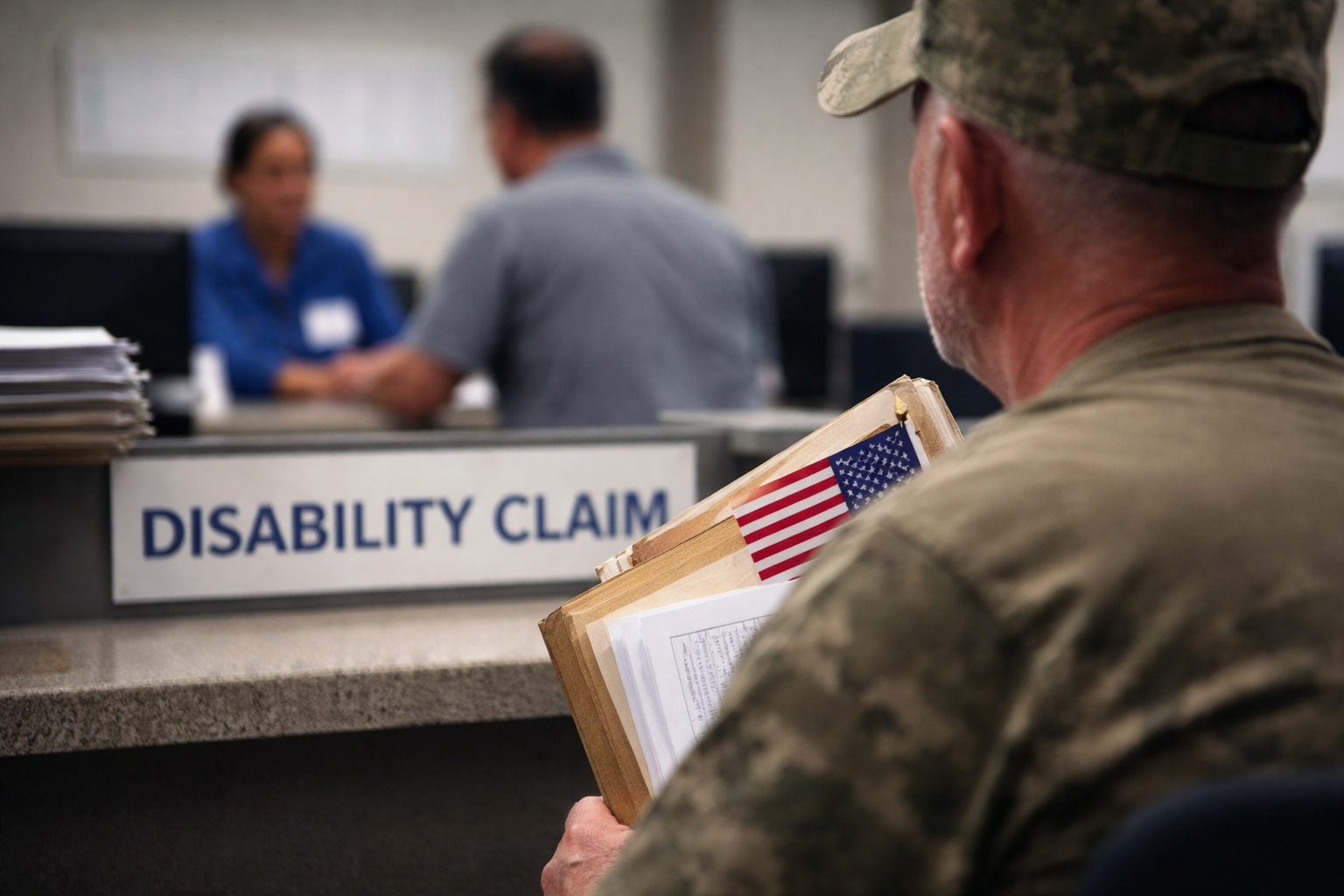
Disabled veterans across California continue to face prolonged delays when filing disability claims and appeals. The delays have renewed concerns about efficiency, communication, and accountability within the systems that administer benefits.
For many veterans, disability compensation is not supplemental income. It is essential support tied to housing stability, medical care, and daily living. When claims stall, the consequences extend far beyond paperwork.
Delays That Disrupt Lives
Veterans advocates report that some claims remain unresolved for extended periods, even when documentation is complete. Appeals can take significantly longer, leaving veterans uncertain about timelines and outcomes.
“These delays create a constant state of limbo,” said one advocate familiar with the claims process. “Veterans are left planning their lives around decisions they can’t predict.”
Administrative Complexity and Backlogs
Officials have cited staffing shortages, increased claim volume, and administrative complexity as contributing factors. While incremental improvements have been reported, veterans’ organizations argue that progress has been uneven and insufficient.
In California, where the veteran population is among the largest in the country, even modest inefficiencies can affect tens of thousands of individuals.
The Impact on Disabled Veterans
For veterans living with physical or mental health disabilities, delays can mean postponed medical treatment, increased financial stress, and difficulty accessing supportive services. Some veterans report having to rely on family members or community organizations while awaiting decisions.
Legal advocates note that navigating the system often requires persistence and familiarity with procedural rules—barriers that disproportionately affect veterans with cognitive or mobility-related disabilities.
Calls for Transparency and Oversight
Advocates are calling for clearer communication, more consistent processing standards, and stronger oversight to ensure that veterans’ claims are handled fairly and in a timely manner.
“Veterans fulfilled their obligations,” one advocate said. “The systems meant to support them should function with the same sense of urgency.”
Looking Forward
As policymakers and administrators continue to evaluate reform efforts, disabled veterans in California remain focused on outcomes rather than assurances. Many are calling for sustained attention to ensure that improvements translate into measurable change.
DAVCA will continue reporting on developments related to veterans’ disability claims, benefits access, and accountability across California.