


Los Angeles, CA — New data from the 2025 Los Angeles County Homeless Count show a modest decline in veteran homelessness. However, significant challenges persist across the region. About 3,500 veterans remain unhoused, down from 3,800 in 2024.
This reduction reflects the combined impact of federal programs, local initiatives, and county-led efforts. In particular, housing-focused strategies and targeted outreach have helped move veterans into safer living situations.
Recent Trends in Veteran Homelessness
Programs such as HUD-VASH, along with local initiatives like House Our Vets and the Veteran Housing Navigation Program, have played a central role in reducing homelessness. As a result, more veterans have gained access to rental assistance and supportive services.
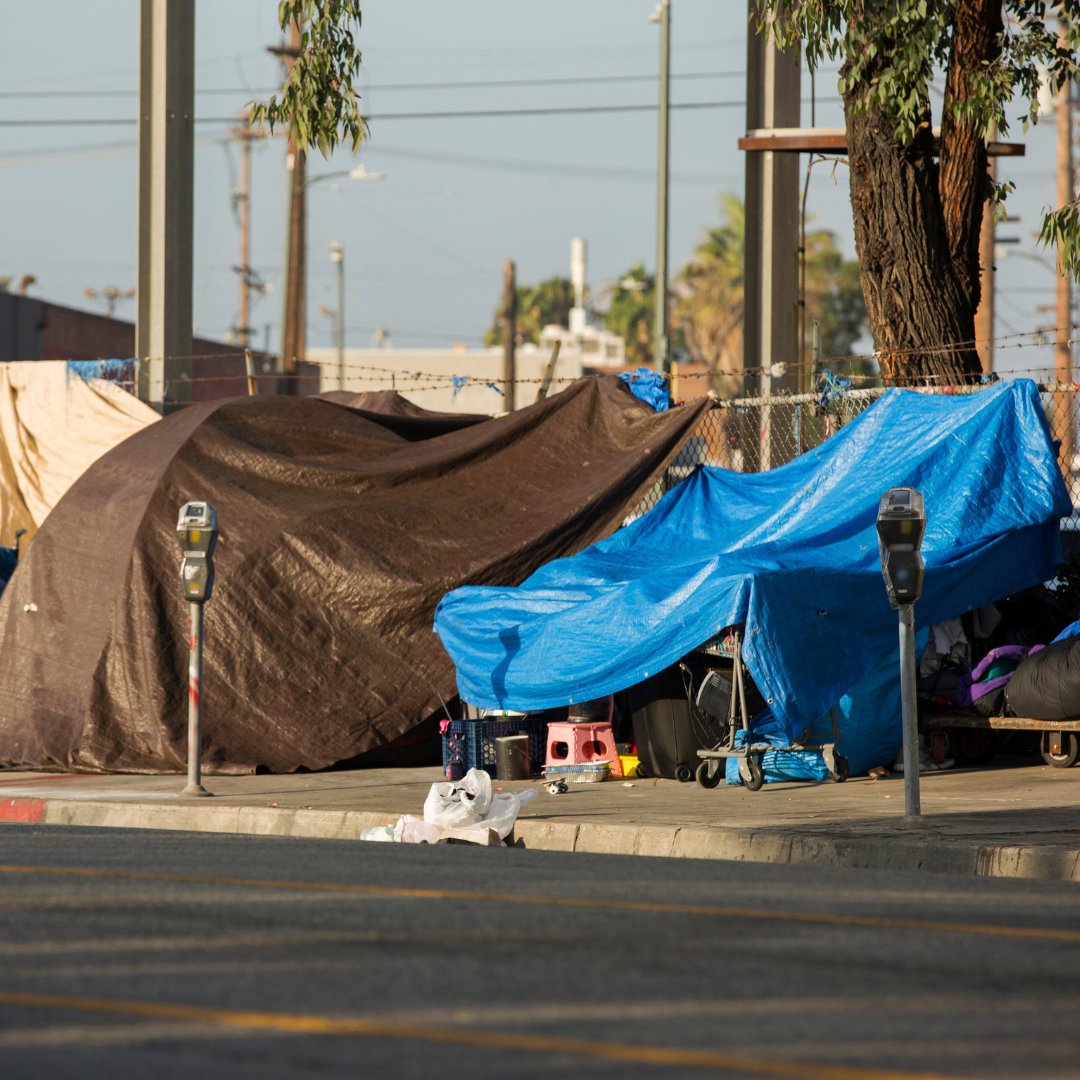
Nevertheless, progress remains uneven. Many unhoused veterans continue to live in shelters, transitional housing, or encampments. High-need areas include Skid Row, South Los Angeles, Hollywood, and Van Nuys.
Targeted Outreach and Housing Placement
To address these challenges, outreach teams now prioritize older veterans and veterans with disabilities. For example, teams actively identify individuals facing the highest health and safety risks.
In addition, case managers work directly with veterans to connect them to permanent housing and wrap-around services. This approach helps reduce prolonged homelessness and improves placement outcomes.
Data-Driven Coordination Efforts
The By Name List system allows agencies to track veterans in real time. Meanwhile, county and VA staff use this tool to identify urgent cases and coordinate housing placements more efficiently.
Because of this targeted approach, resources reach veterans who face the greatest risk without timely intervention. As a result, housing placements occur more quickly for high-priority cases.
Ongoing Barriers to Permanent Housing
HUD-VASH placements remain a critical component of progress. In 2025, the program housed thousands of veterans across Los Angeles County. Notably, it pairs rental assistance with medical care, mental health counseling, and employment support.
Even so, county and city leaders caution that systemic barriers remain. Limited affordable housing, rising rental costs, and administrative delays continue to block access for some veterans. Therefore, officials emphasize the need for sustained investment.
Long-Term Stability and Support Services
Beyond housing placement, programs increasingly focus on long-term stability. For instance, veterans receive healthcare, behavioral health services, and employment support alongside housing.
As a result, veterans report improved physical and mental health outcomes. Early data also show that veterans placed in integrated housing programs are far less likely to return to homelessness.
Key Takeaways
- Veteran homelessness in LA County declined from 3,800 to 3,500 in 2025
- High-need areas include Skid Row, South Los Angeles, Hollywood, and Van Nuys
- Federal, county, and nonprofit programs continue to drive progress
- Targeted outreach prioritizes older veterans and veterans with disabilities
- Sustained funding remains essential for long-term stability
Ultimately, these trends highlight the importance of coordinated action. Continued collaboration between federal programs, county agencies, city initiatives, and nonprofit partners will be critical to achieving lasting reductions in veteran homelessness across Los Angeles County.